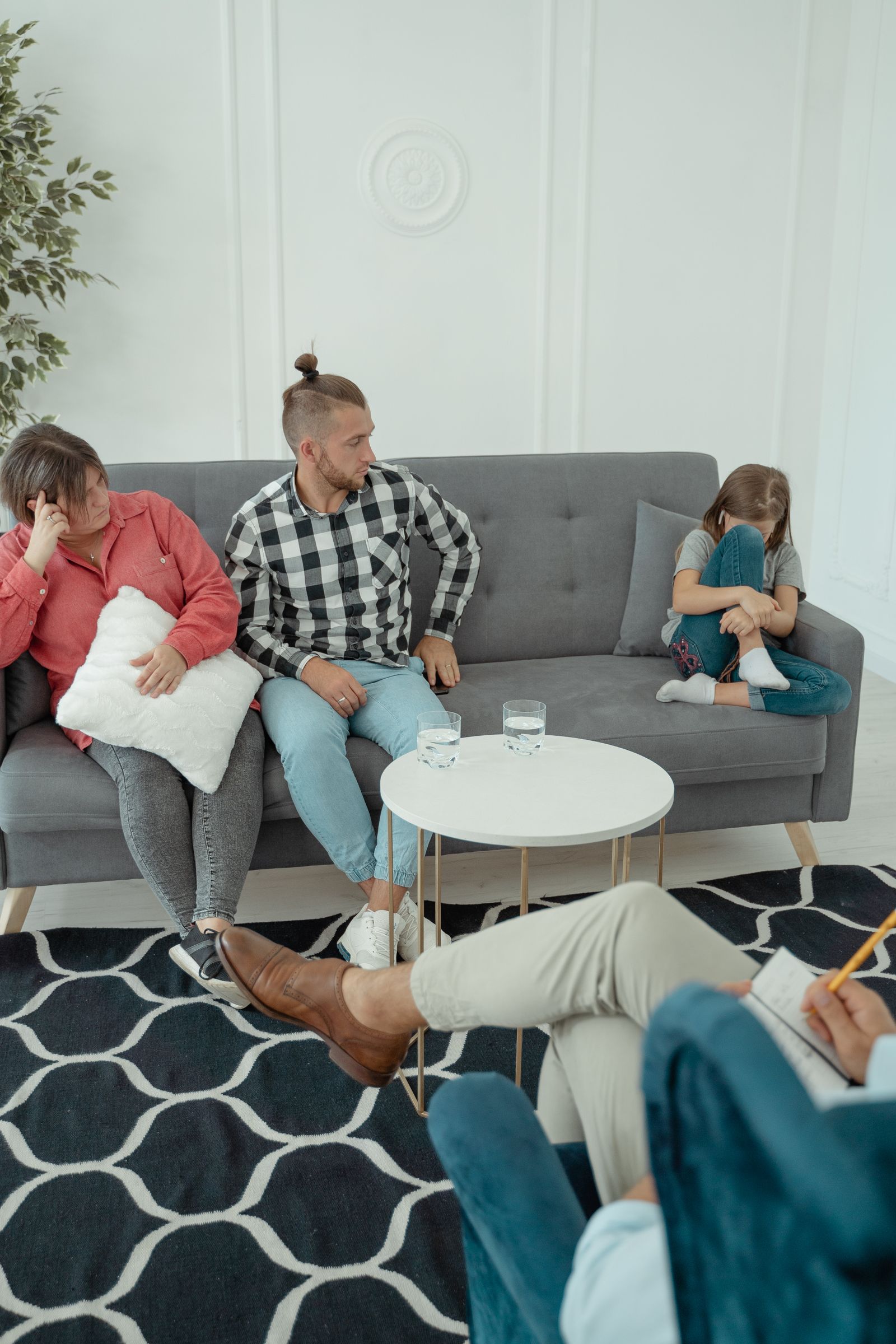
Sleep difficulties are one of the most commonly reported problems in families of children with ADHD, and they run in both directions: ADHD makes settling harder, and poor sleep makes attention, impulsivity and emotional regulation worse the next day.
Why settling is genuinely difficult
- A busy mind does not slow down on demand.
- Transitions are hard, and bedtime is a chain of them.
- Late-evening hyperfocus on a screen or an interest overrides tiredness.
- Body clocks that naturally run late, particularly in adolescence.
- Anxiety about the day that has passed or the one coming.
The sleep–attention loop
Breaking the loop at bedtime usually improves daytime function within a couple of weeks.
Late settling
Short sleep
Worse attention and mood
Harder day
More evening arousal
What tends to help
- 1One consistent wake time, seven days a week — it anchors everything else.
- 2A short, identical wind-down sequence in the same order every night.
- 3Screens out of the routine at least an hour before lights out, and out of the bedroom.
- 4Physical activity earlier in the day rather than in the evening.
- 5A low-stimulation landing space: dim light, cool room, minimal clutter.
- 6Worries dealt with earlier in the evening, not at lights out.
When to seek help specifically about sleep
- Snoring, pauses in breathing or mouth-breathing every night.
- Regularly taking more than an hour to fall asleep despite a good routine.
- Daytime sleepiness rather than restlessness.
- Sleep that has been severely disrupted since infancy.
Frequently asked questions
- Can poor sleep look like ADHD?
- Yes. Chronic sleep deprivation can cause inattention, irritability and hyperactivity in children, which is why sleep is reviewed as part of any good assessment.
- Does ADHD medication affect sleep?
- It can, in either direction, and it is one of the things specialists monitor. Report changes to the prescribing clinician rather than adjusting the dose yourself.
- Should I use melatonin?
- Only on the advice of a clinician who knows your child. Routine and light exposure changes come first.
Free · 8 minutes · No sign-up
Screen your child in eight minutes
Answer 22 questions based on recognised diagnostic criteria and get a written profile you can take to your GP or a private clinician.
Start the ADHD screening